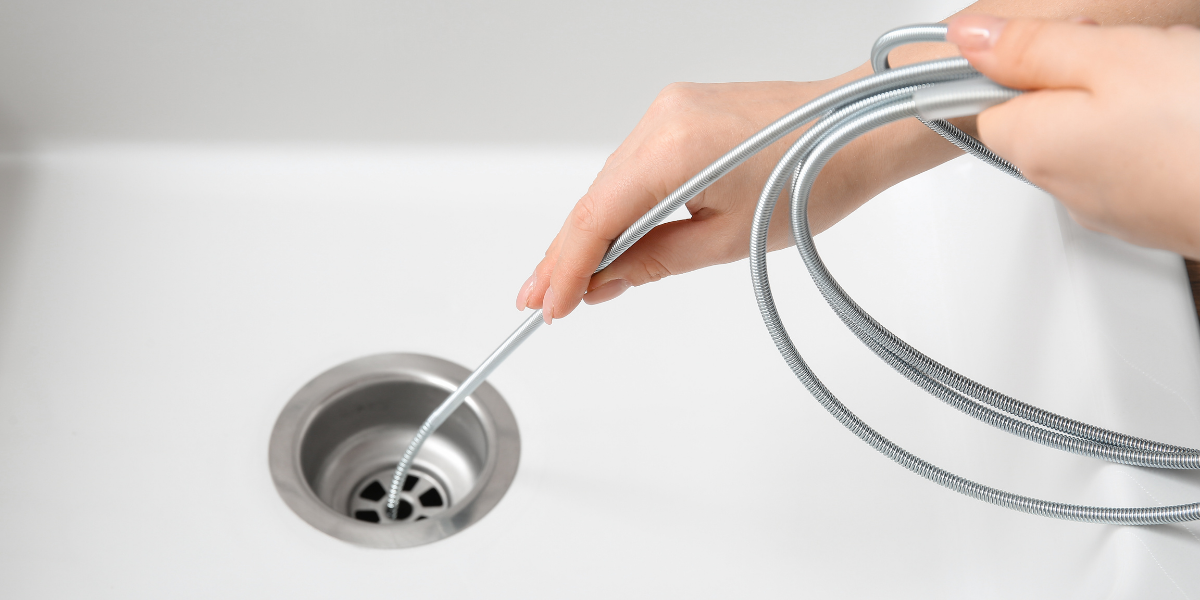
Blocked drains are one of the most common plumbing issues homeowners face. From slow-draining sinks to unpleasant odors and water backups, blocked drains can disrupt daily life and lead to costly repairs. Fortunately, many drain problems can be prevented with simple habits and regular maintenance. For homeowners in Sydney, taking proactive steps can help keep plumbing systems running smoothly.
Be Careful What You Put Down the Sink
Kitchen sinks are one of the most common places where drain blockages occur. Grease, oil, and food scraps can build up inside pipes and gradually restrict water flow.
To prevent blockages:
- Avoid pouring cooking oil or grease down the drain
- Scrape food waste into the bin before washing dishes
- Use a sink strainer to catch food particles
These small habits can significantly reduce the risk of clogged kitchen pipes.
Use Drain Covers in Bathrooms
Hair is a major cause of bathroom drain blockages. When hair combines with soap residue and personal care products, it forms clumps that slow down water flow.
Installing drain covers or hair catchers in showers and sinks helps trap hair before it enters the pipes. Regularly cleaning these covers can prevent buildup and maintain proper drainage.
Avoid Flushing Non-Flushable Items
Toilets are designed to handle only human waste and toilet paper. Flushing other materials can easily lead to blocked drains.
Items that should never be flushed include:
- Wet wipes
- Sanitary products
- Paper towels
- Cotton buds
- Dental floss
Even products labeled as “flushable” can cause blockages in household plumbing systems.
Dispose of Grease Properly
Cooking grease and fats solidify as they cool, which allows them to stick to the inner walls of pipes. Over time, this buildup can cause serious blockages.
Instead of pouring grease down the drain, allow it to cool and dispose of it in a sealed container or in the bin.
Flush Drains with Hot Water Regularly
Running hot water through your sinks regularly can help dissolve minor grease buildup and keep pipes clear. Doing this once or twice a week can help maintain smooth drainage.
However, hot water alone cannot remove heavy blockages, so it should be used as a preventive measure rather than a solution for major clogs.
Schedule Regular Plumbing Inspections
Professional plumbing inspections can identify potential issues before they become serious problems. Plumbers may use tools such as CCTV drain cameras to inspect pipes and detect early signs of blockage or damage.
Routine maintenance can help prevent unexpected plumbing emergencies.
Manage Tree Roots Around Pipes
Tree roots are a common cause of blocked underground pipes. Roots naturally grow toward moisture and can enter small cracks in drainage pipes.
If large trees are growing near your plumbing lines, periodic inspections can help detect root intrusion early and prevent severe blockages.
Final Thoughts
Preventing blocked drains is much easier and more affordable than dealing with major plumbing repairs. By being mindful of what goes down your sinks and toilets, using drain covers, disposing of grease properly, and scheduling routine inspections, you can keep your plumbing system functioning efficiently.
If you notice slow drainage, unpleasant smells, or recurring blockages, it’s best to contact a professional plumber in Sydney to inspect your drains and resolve the issue before it worsens.